
We started with a simple brief: determine how low we could drive the CO2 footprint of stainless steel using our existing production technology, measured across Scopes 1, 2, and 3. The intent was not to invent a single silver bullet, but to assemble a reliable, repeatable production route from proven practices and technologies. The constraints were clear—maintain product quality, work within current assets, and verify results with lifecycle accounting.
The story behind how Circle Green near-zero stainless steel was innovated
The work moved in parallel tracks. One team focused on raw materials, increasing the share of recycled inputs and tightening specifications for inbound materials to reduce embedded emissions without compromising performance. Another tackled the melt shop, scrutinizing energy profiles, cutting idle time, and minimizing fossil‑based consumables. A third group managed the energy mix, shifting to renewable and other low‑carbon sources wherever feasible. Logistics and value‑chain steps were reworked to remove avoidable emissions. Throughout, we put in place consistent measurement so that each change could be verified and kept only if it delivered a real reduction.
Not just adjustments – but an entire process renewed
Progress came from short cycles of testing, measurement, and adjustment. Failed trials were logged as data and used to inform the next iteration. Regular proof points and time‑boxed milestones kept the program on track and prevented drift. The key insight was that an integrated recipe produced step‑change results; isolated tweaks did not. When sourcing, process parameters, energy, and logistics were optimized together, the gains compounded.
Several innovations proved decisive. Raising and controlling recycled content reduced upstream impact. Accessing renewable electricity and other low‑carbon energy cut direct and indirect emissions in the melt shop and rolling operations. Process changes reduced the use of carbon‑intensive consumables. Supplier requirements were tightened to lower embedded emissions in alloys and inputs. And end‑to‑end data discipline ensured that decisions were based on verified outcomes, not assumptions.
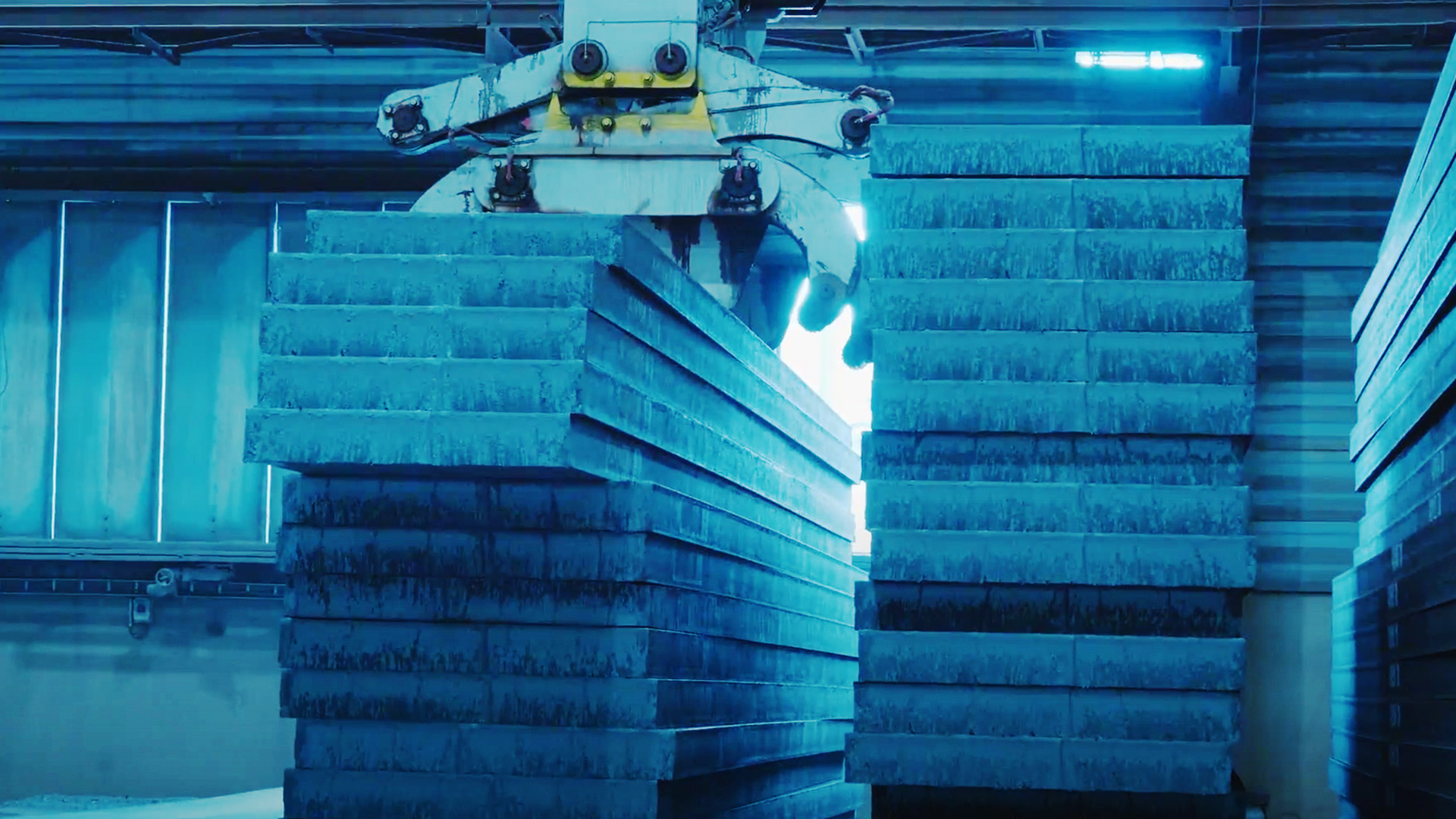
Results you can trust: Circle Green emissions reduced to below 1 ton of CO2
By the time the route stabilized, the results were clear. We achieved up to a 95% reduction in Scope 1 and 2 CO2 emissions in the Circle Green process. On a per‑ton basis, the footprint can be as low as 0.5 tons of CO2, roughly 8% of conventionally produced stainless steel. For context, the global average is about 8.8 tons of CO2 per ton of stainless steel. If similar methods were adopted across the sector, the potential reduction is on the order of 250 million tons of CO2 per year.
The project also reset how we work. Expertise remains essential in stainless steel, but it can create blind spots. We made progress when we approached long‑standing assumptions with a beginner’s mindset—questioning defaults, testing alternatives, and letting measured results decide. Treating failure as data accelerated learning. Clear objectives, hard boundaries, and scheduled checkpoints helped teams move quickly without compromising quality.
Culture followed execution. As results accumulated, the conversation across teams and with partners sharpened around measurable CO2 reductions and practical steps to achieve them. People saw direct links between day‑to‑day decisions and emissions outcomes, which made priorities clearer and trade‑offs more explicit.
Looking back, the most important choice was to treat Circle Green as an integrated process development effort, not a collection of isolated optimizations. That focus kept the work grounded in operations, ensured accountability for outcomes, and made scaling feasible.
The path forward is straightforward. We will continue to scale the Circle Green route, extend the methodology to more product lines, and keep driving down lifecycle emissions through ongoing innovations and supply‑chain improvements. The core principles remain the same: verify everything, iterate quickly, and integrate changes so the whole is better than the sum of its parts.
Global average CO2 emissions: 8.8 tons CO2 per ton of stainless steel. Outokumpu Circle Green: down to 0.5 tons CO2 per ton of stainless steel.